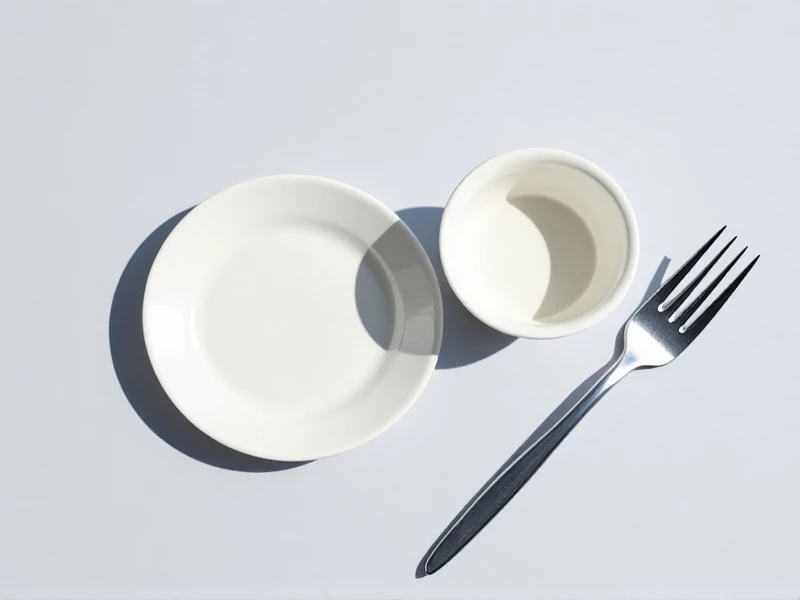
The Complete Guide to Forks: Types, Uses, and History
Forks are one of the most essential utensils in dining culture, elevating everyday meals from simple sustenance to elegant experiences. Often overshadowed by flashier tools, forks play a pivotal role in modern table settings, ensuring ease and sophistication. Whether you're hosting a dinner party or enjoying a quiet family meal, understanding forks can transform how you eat and appreciate food. This guide delves into the history, types, and practical tips for choosing and using forks effectively.
Fork origins trace back to ancient civilizations, with early references appearing in Egyptian and Greek artifacts. By the Middle Ages, Europeans adapted forks from Byzantine customs, revolutionizing eating habits. Previously, fingers were the norm for most foods, but forks offered a cleaner, more hygienic alternative. Today, they symbolize refinement and are staples in kitchens worldwide. Without forks, modern dining etiquette would lose a key element that connects us to culinary traditions.
Different fork types cater to specific cuisines and courses. The dinner fork, typically larger and with four tines, handles main dishes while distributing weight evenly for comfortable eating. Salad forks are smaller and lighter, perfect for tossing greens without overwhelming textures. Dessert forks feature a slender design, ideal for cakes and fruits to prevent mess. Specialized forks like seafood forks with curved tips tackle shellfish with precision. Using the right fork enhances taste and presentation, turning meals into memorable events.
Material choices also impact fork performance. Stainless steel forks dominate households for durability and ease of maintenance—just hand wash to avoid water spots and corrosion. Silver forks add luxury but require occasional polishing to retain lustre. For casual settings, plastic forks offer convenience with eco-friendly options gaining popularity. Selecting high-quality forks improves longevity and dining satisfaction, so invest in reputable brands that balance style and function.
Beyond practicality, forks embody cultural etiquette. Proper placement on the table, aligned with spoons and knives, signals respect for traditions. Learning to hold fork confidently enhances social interactions and appreciation for fine dining. Whether upgrading your collection or exploring vintage pieces, forks blend utility with artistry for timeless appeal.
In summary, forks are more than mere tools; they're unsung heroes of the table. Embrace their rich history and variety to enrich your culinary journey—start incorporating diverse forks today for elevated meals.
( 402)